
Voices from the Field: Sonia Weymuller, VentureSouq
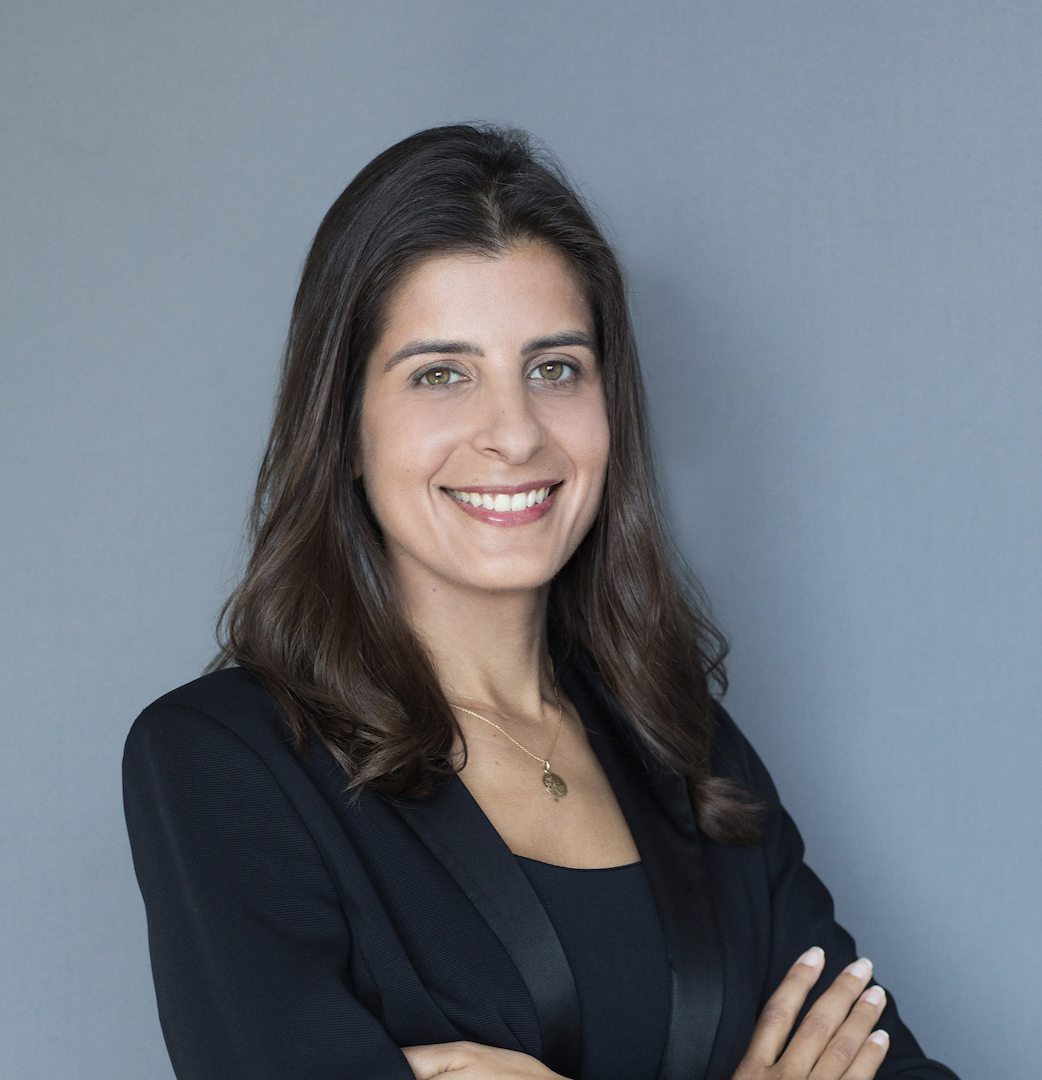
For our latest ‘Voices in the Field’ interview, we speak with Sonia Weymuller, Co-Founder and General Partner at VentureSouq about how growing up, living and working across very different markets, including East Asia, the US, Europe and the Middle East, has shaped the way she invests.
Across those markets, Sonia has seen the same pattern again and again: the people most affected by gaps in systems are often not the ones those systems were designed around. That has made her ask a different set of questions of every business she looks at. Who is this really working for? Who is being left out? Who carries the burden when something breaks down?
For Sonia, climate and gender are linked by the same instinct: to understand the full picture. She wants to back strong companies, but also to understand the people behind them, the people they serve, and the systems they could improve.
How does combining climate and gender improve your approach to climate impact?
For us, it sharpens the questions we ask before investing.
A company may have strong potential to reduce waste, improve resource efficiency or strengthen resilience, but we also need to understand how the solution will actually be adopted. Who is making the purchasing decision? Who is doing the work? Who has access to the product, training, data, or financing required to benefit from it?
A gender lens helps us see parts of the market that can otherwise be missed. It brings attention to women as founders, employees, customers, suppliers, and end-users, but also to the practical barriers that may limit a solution’s reach or impact.
Ultimately, climate impact has to be demonstrated through deployment and performance. Our aim is to back commercially strong companies solving real operating needs, while developing a fuller understanding of the people and systems that shape whether those solutions can scale.
How does this integration show up in the fund?
Our Strategic Resilience strategy backs technology companies strengthening the systems that MENA economies depend on including food, water, energy, supply chains, financial infrastructure and industrial systems. We focus on Seed and Series A businesses with commercial traction, strong founders and scalable business models.
The gender lens shows up in how we assess companies, not as a separate exercise but as part of diligence. We look at leadership and ownership, workforce composition, alignment with the 2X Criteria, and gender-related risks or opportunities in the product, workplace, and supply chain. This gives us a clearer picture of the company’s starting point and where targeted support could help.
We apply this alongside the commercial discipline developed through our FinTech investing: customer demand, unit economics, regulatory alignment and the ability to execute. The objective is to understand how a company can grow while improving the systems it serves. Therefore, we do not see climate and gender as separate impact categories. We see them as lenses that help us make better investment decisions in complex, fast-changing markets.
What opportunity does the climate-gender nexus offer investors?
I see an opportunity to identify businesses and talent that conventional investment approaches may overlook. Understanding women’s participation in a market can reveal unmet customer needs, gaps in product design or opportunities to strengthen a company’s workforce and leadership.
An example from VentureSouq’s wider investing experience is Orbillion Bio, which was strategically acquired by Fork & Good. Orbillion’s founder, Patricia Bubner, is now Fork & Good’s COO, working alongside female co-founder Niyati Gupta. Their work illustrates the role women can play in building technically complex companies around customer needs, production economics, and the future of food.
For investors, the opportunity is to bring that broader understanding into rigorous underwriting. The business still needs a clear customer proposition, credible economics and a route to scale.
What brought you to climate and gender investing?
I have grown up, lived and worked across very different markets - East Asia, the US, Europe and the Middle East - and one thing I have seen repeatedly is that the people most affected by gaps in systems are often not the people those systems were originally designed around.
That has shaped how I invest. I have always been drawn to businesses solving very practical problems but over time I became much more conscious of asking: who is this really working for? Who is being left out? Who is carrying the burden when a system is inefficient or breaks down?
Our work in FinTech surfaced a lot of those questions around access and participation. With Strategic Resilience, they become even more tangible. Food, water, energy and infrastructure are issues people experience in their daily lives and in our region they are becoming increasingly important from both an economic and a resilience perspective.
The gender lens came naturally from that. I have spent a lot of time with women founders, operators and investors and I have seen how often they identify needs or market opportunities that are easy to miss from a more conventional investment perspective. That does not mean every women-led company is a better investment but it does mean there is value in broadening who you listen to and what you look for.
Investor education has also mattered a lot to me personally. Through our work with NYU Abu Dhabi’s startAD, including the Investor Fellowship we launched in 2020 (where 50% of our Fellows are senior-level female allocators), I have enjoyed creating spaces where investors can question their own assumptions and think more intentionally about how capital is allocated.
So for me, climate and gender are connected by the same instinct: to understand the full picture. I want to back strong companies but I also want to understand the people behind them, the people they serve, and the systems they have the potential to improve. That is what makes the work interesting to me.
Find out more about Heading for Change’s investment thesis and portfolio funds