
Dani’s Vision
A portion of the grants portfolio will be directed to promising systems change initiatives in neurodivergence; this strategy is integral to the endowment’s overall mission to broaden the definition of diversity and understanding of inclusion.
From Dani Maskit
CHIEF URSINE OFFICER

As an autistic person, I have spent my whole life having schools and employers trying to force me into filling some pre-existing role rather than understanding the profound nature of my differences.
This has resulted in years of feedback and performance reviews which have largely overlooked the positive contributions I have made which others would have likely not made; and have instead focused on the negative aspects of my differences. It has also left me with a deep distrust of pre-existing labels.
The nature of being autistic is to be profoundly different from everyone else, including other autistic people. My specific mix of strengths and weaknesses is mine and mine alone. While I understand that to some extent this is true of everyone, I would say that for non-autistic people the differences are ‘apples to apples’ or perhaps ‘apples to oranges’ while the differences between non-autistic and autistic is more like ‘apples to wombats.’ Completely different realms. So my role at Heading for Change is uniquely mine, and that uniqueness is captured in the creation of my own role, that of Chief Ursine Officer.
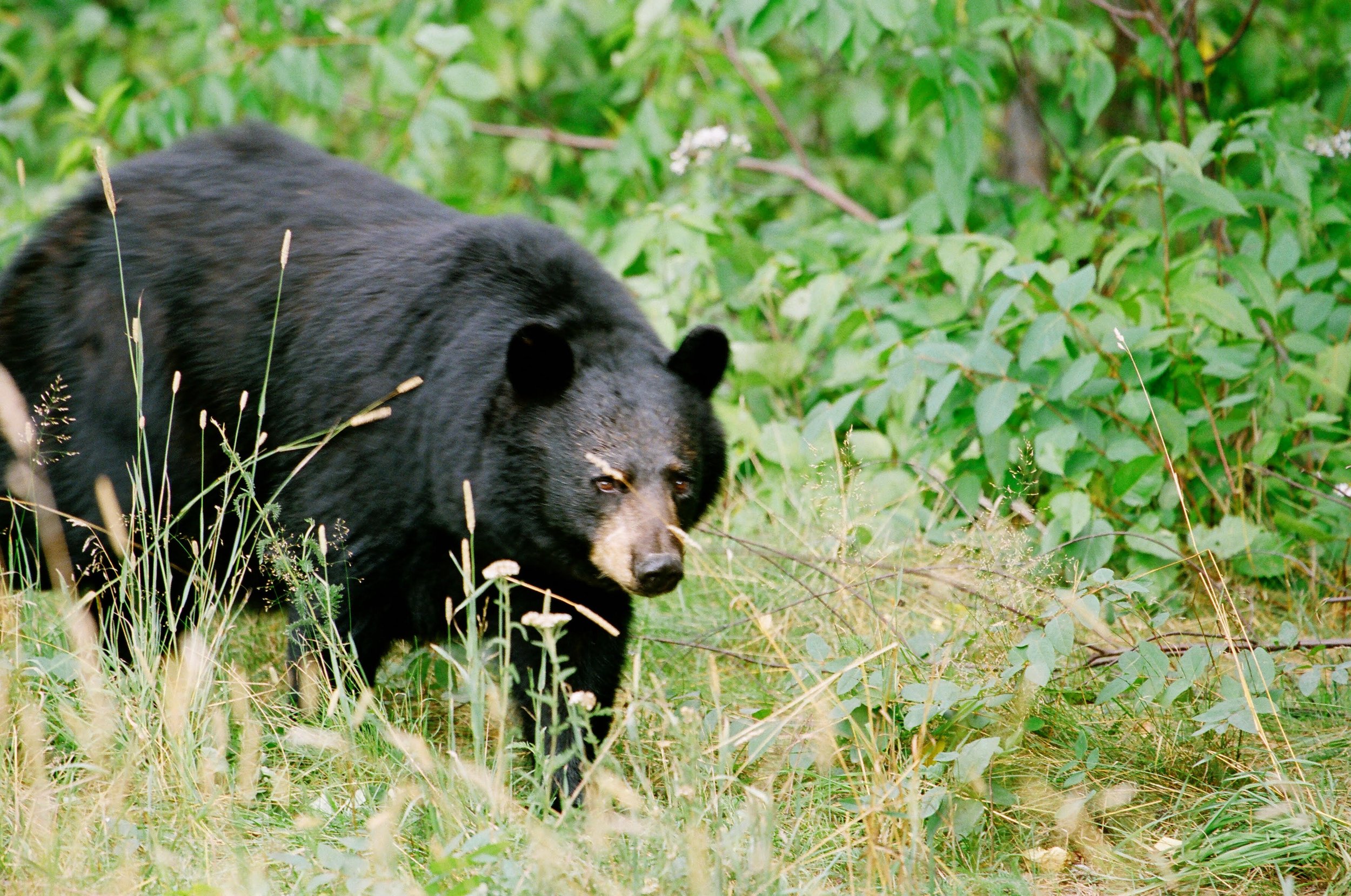
In my advocacy work I talk a lot about bears as a metaphor for autism. Neither bears nor autistic people are well understood by the general population, and this misunderstanding leads to significant incoherence and a lot of bias and harm. I often find that people greatly underestimate the capabilities of both bears and autistic people, so I like the idea of having a role where the simplest answer to “What does the Chief Ursine Officer do?” is “more than you can imagine.” Even those who have been anointed as experts on either bears or autism seem prone to statements which demonstrate how poorly they understand their subjects of study. Sadly, the sorts of policies which rely on this mistaken expertise, whether they be wildlife management, workplace structures, or public policy, tend to propagate fears, misunderstandings, and bad treatment of bears and autistic people.
I believe that the root causes of the ignorance shown by these so-called experts are closely related; and I believe that these root causes have significant overlap with the thinking and attitudes which operate to the detriment of many other disempowered groups, including women and racial minorities. These root causes can be boiled down to a couple of key beliefs: a belief that one can interpret how someone (or some bear) who is profoundly different behaves through the lens of what it would mean for one’s self to behave that way; and a belief that treating everyone the way those deemed normative are treated will produce fair results.
Like many autistic people I have the ability to see patterns on a very large scale, and to understand systems in ways which are unusual and powerful. I often find that I am able to make connections which change people’s understanding about their own areas of expertise.
This ability to see interconnections which allow subtle shifts in approach to have profound changes in the scope and nature of the action of one’s deeds is the essential attribute which is integral to the role of Chief Ursine Officer.

-
Autistic people often have very powerful senses of right and wrong. We feel injustice keenly. I believe that this helps me provide useful insights into whether the proposed impact or either investments or grants is truly serving the change towards which we are heading.
-
Because I see everything as systems and tend to think on a large scale, I can judge a company and team in terms of the coherence of what they present; and how their presentation corresponds with my understanding of the world.
-
As an investor in the gender lens space I have been told that I have deeper technical knowledge than most of the people in this space. This allows me to provide technical oversight and/or guidance which is important for certain types of investments.
-
I refer to climate investing as Ursine Lens Investing. I do not feel that it is sufficient that we find ways to allow human beings to survive the climate crisis. I feel that the challenges need to be viewed from the bear’s perspective. For too long we have placed human comfort and corporate short-sightedness above the health of our ecosystems. Solving for healthier ecosystems for bears will ultimately provide better lives for people as well.
-
I will be using my role as a way to bring my experiences in neurodivergence advocacy into conversations. While this approach to broader DEI (Diversity, Equity, and Inclusion) is not part of the Heading for Change investment strategy, I feel that providing my insights and advocacy around disability and neurodivergence will help companies we are investing in to build better workplaces and to more effectively access the strengths of these communities.