
Voices from the Field: Marla Blow, Skoll Foundation
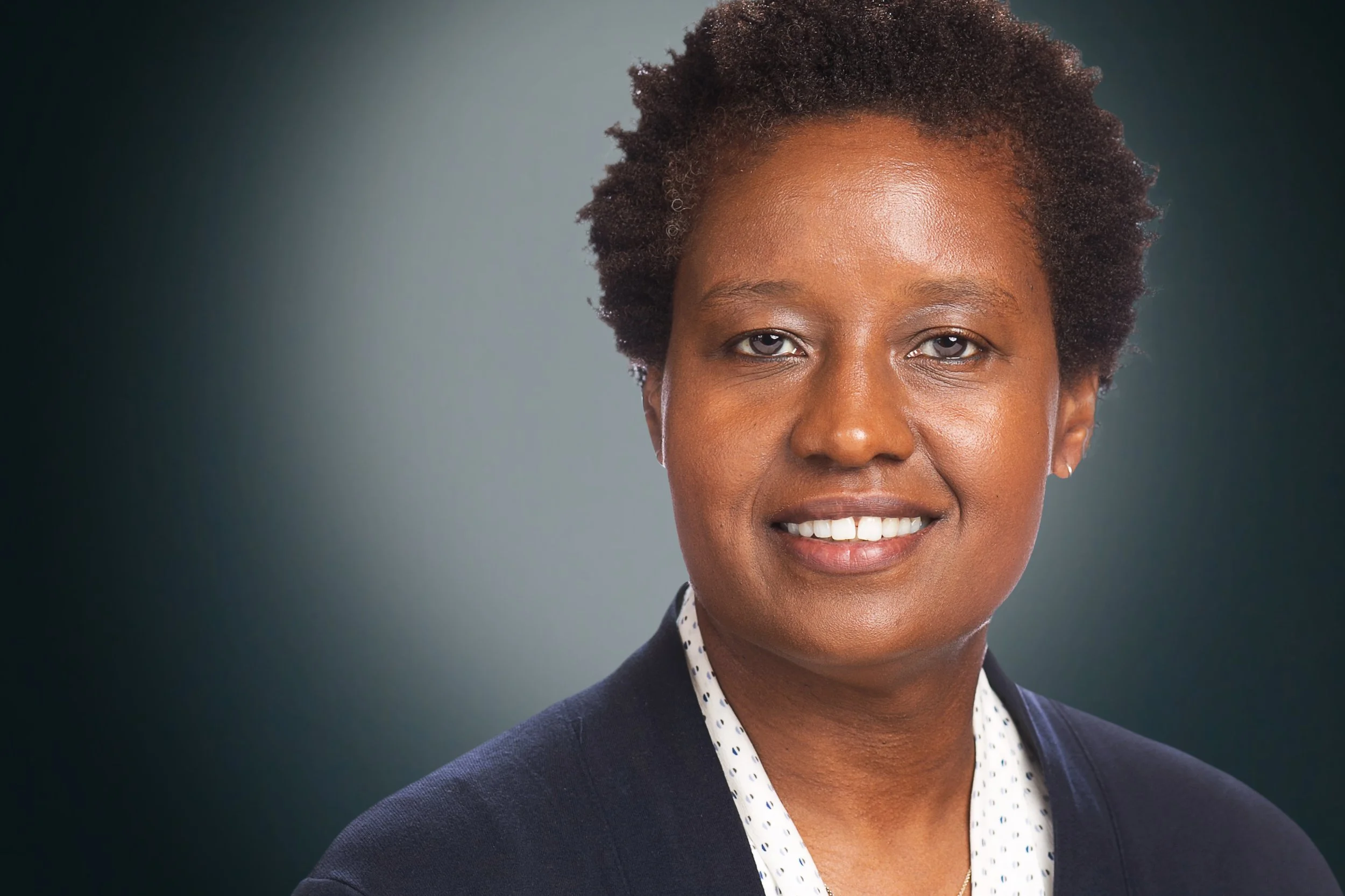
In this edition of our Voices from the Field series, we speak with Marla Blow, CEO and President of the Skoll Foundation, a Heading for Change Donor-Partner, about why gender is not a standalone priority but a thread woven through both the challenges the Foundation tackles and the solutions it invests in.
What has been your journey so far when it comes to moving money with a focus on gender and why does this focus matter in your context?
At the Skoll Foundation, gender is not a standalone initiative — it is woven into the fabric of the challenges we care about and the solutions we support. Our mission is to invest in, connect, and champion social entrepreneurs advancing bold and equitable solutions to the world’s most pressing problems. Across the three areas where we have deepened our long-term commitment — climate, health, and economic opportunity through girls’ education and smallholder agriculture — women are inherently and necessarily a core aspect of the changemaking process.
For one, community health workers, the backbone of frontline health systems in many of the countries where our partners operate, are overwhelmingly women. Smallholder farmers, who produce one-third of the world’s food and are responsible for feeding entire communities, are also disproportionately women. And, time and again, the evidence shows that girls’ education remains one of the most powerful levers for economic mobility and community resilience. Women are also on the frontlines of responding to the effects of climate change, often by serving as the keepers of ancestral knowledge that informs how communities live in harmony with their natural ecosystems. In all three of our priority funding areas, the data are clear: when women and girls succeed, families and communities succeed.
As such, when we look across our portfolio, we see there is no need to designate gender as an add-on layer; it is already fundamental to the impact pathways of the social entrepreneurs we support. For us, having a gender focus does not narrow our lens or leave anyone out. It’s simply integral to our strategy of recognizing and resourcing the people who are closest to the problems and often best positioned to drive solutions.
This understanding also shapes how we think about deploying not just our philanthropic dollars, but our full balance sheet. For years, the Foundation has been interested in how grantmaking and our endowment — managed by Capricorn Investment Group — can work in concert, so that every form of capital we steward is marshaled more intentionally toward equitable, mission-aligned solutions. Partnerships like the one with Heading for Change are an important part of that journey.
What excites you about Heading for Change and how has it sharpened the climate and gender finance nexus for you?
What excites us most about Heading for Change is that it makes climate and gender investing tangible and accessible—moving the field from aspiration to action. Too often, investors cite a lack of tools, frameworks, or investable opportunities as the reason they have not deployed capital at this intersection. HfC is methodically dismantling each of those barriers.
“The Foundation’s relationship with Heading for Change has deep roots. Skoll was a seed funder of the HfC donor-advised fund, and we had a close relationship with HfC’s visionary founder, Suzanne, who was a true pioneer at the intersection of gender lens investing and climate finance. Her conviction that transparency, shared tools, and collective action could shift capital markets is at the heart of everything HfC continues to build. That vision resonates with how we at Skoll think about catalyzing systems change.”
Several things stand out for us. First, the flexibility of capital tools. HfC combines investments and grants, merging opportunity with innovation and capitalizing solutions in whichever way actually meets the need, regardless of structure. That mirrors how the Skoll Foundation thinks about deploying capital: we aim to use the right instrument for the right moment. It’s a powerful demonstration of what a full-spectrum approach can look like in practice.
Second, the diversity and reach of the portfolio. HfC has built a global portfolio of 18 climate and gender funds managing $2.8 billion in assets, spanning regions from Latin America and Africa to Asia-Pacific and MENA, and covering everything from climate technology to food systems to oceans and biodiversity. Over 60 percent of these funds are led by women or feature gender-diverse teams. That kind of intentional diversification across geography, model, and leadership demonstrates that the investable opportunity set is real and growing. It reinforces something we believe at Skoll: that there is innovation happening in all pockets of the world, and our job is to shine a light on these great models and mobilize together to fund and resource them.
Third, we are inspired by the learning journey HfC creates for its community. Through open-source investment tools—including a publicly available scorecard, due diligence questionnaire, and portfolio construction tool—alongside shared diligence resources and collaborative learning circles, HfC brings donors and investors along on a discovery journey. These supports equip them with the skills and confidence to integrate a climate and gender lens into their own portfolios, and has offered opportunities for co-investing, co-diligence and shared learnings to flourish. That multiplier effect is exactly how you build a field.
The Foundation’s relationship with Heading for Change has deep roots. Skoll was a seed funder of the HfC donor-advised fund, and we had a close relationship with HfC’s visionary founder, Suzanne, who was a true pioneer at the intersection of gender lens investing and climate finance. Her conviction that transparency, shared tools, and collective action could shift capital markets is at the heart of everything HfC continues to build. That vision resonates with how we at Skoll think about catalyzing systems change.
In what ways are you hoping to further advance climate and gender finance?
The Foundation’s ambition is to be part of mobilizing more capital to solutions that accelerate change in communities. Partnering with funds like Heading for Change is one of the ways we are doing that. We aim to go beyond deploying philanthropic dollars by helping to demonstrate a model that other investors can replicate and build upon.
More broadly, we are looking at how to bring our entire balance sheet into alignment with our mission. For us, that means thinking more creatively about the relationship between our grantmaking and our endowment to ensure we use the full range of capital tools available to us. Catalytic capital, program-related investments, mission-aligned investments, and general operating support grants, which give organizations the flexibility to pursue the strategies that matter most, all have a role to play, and we are working to deploy them more intentionally and in coordination.
We also believe deeply in collaborative giving. Our experience across the portfolio has shown us that the most durable impact often comes from working alongside others to pool resources, share diligence, and build the kind of trust that allows funders to take bigger bets over time. Intermediaries like HfC play a critical role in this, sitting at the nexus of investment, field-building, and community development. They help us reach proximate, innovative solutions at the right scale by matching capital providers to the solutions that need that level and type of support.
Finally, we are committed to championing convenings and peer learning opportunities that help more investors move from intention to action. Our support of climate and gender finance gatherings, such as a recent one at the 2026 Skoll World Forum, is one example of how we are trying to create spaces where diverse stakeholders can connect, collaborate, and advance concrete commitments together.
What reflections have you had about what might help move the field forward and unlock more capital at scale?
“In our current moment of shifting political contexts, funding contractions, and other headwinds, it is more important than ever for those of us committed to climate finance to show up clearly, ground our work in evidence, and build coalitions of the willing. The ecosystem is craving connection, action-oriented forums, and collective resolve.”
From our perspective, there are a few essential components that can make a difference. First, the field needs more real-world demonstrations of what climate and gender investing looks like in practice. The tools, data, and research exist, but many investors still lack the confidence that comes from seeing diversified, high-quality portfolios generating strong climate, financial, and social returns. That is exactly what HfC’s demonstration portfolio provides, and we need more of it across asset classes and geographies. The pipeline HfC has mapped — over 120 gender-smart climate funds identified, with more than 70 currently raising — tells us the opportunity set is there. The challenge is connecting more capital to it.
Second, on-ramps need to be more accessible. Frameworks and scorecards help, but they are not enough on their own. Family offices, women wealth holders, and advisors who are curious about this space need curated learning journeys, shared diligence, and context-specific guidance to take their first meaningful steps. Given the generational wealth transfer underway and the growing appetite among women investors, this is an incredibly promising opportunity, and more actionable pathways will help us grasp it.
Third, we need to rethink the relationship between philanthropy and investment capital. No single type of capital can solve the challenges we face. What is powerful is when you combine the flexibility and risk tolerance of philanthropic capital with the scale and discipline of institutional investment. That complementarity is where real breakthroughs happen. It is why the whole-portfolio approach matters so much, and why more foundations and family offices should be asking themselves the same question.
Finally, in our current moment of shifting political contexts, funding contractions, and other headwinds, it is more important than ever for those of us committed to climate finance to show up clearly, ground our work in evidence, and build coalitions of the willing. The ecosystem is craving connection, action-oriented forums, and collective resolve. The organizations and fund managers doing this work are delivering results. Our collective job as funders is to amplify those results by bringing more capital to the table. That’s how we can make gender-smart climate investing not the exception, but the standard.